The Family Memory Checklist: 12 Questions to Ask Before the Stories Fade
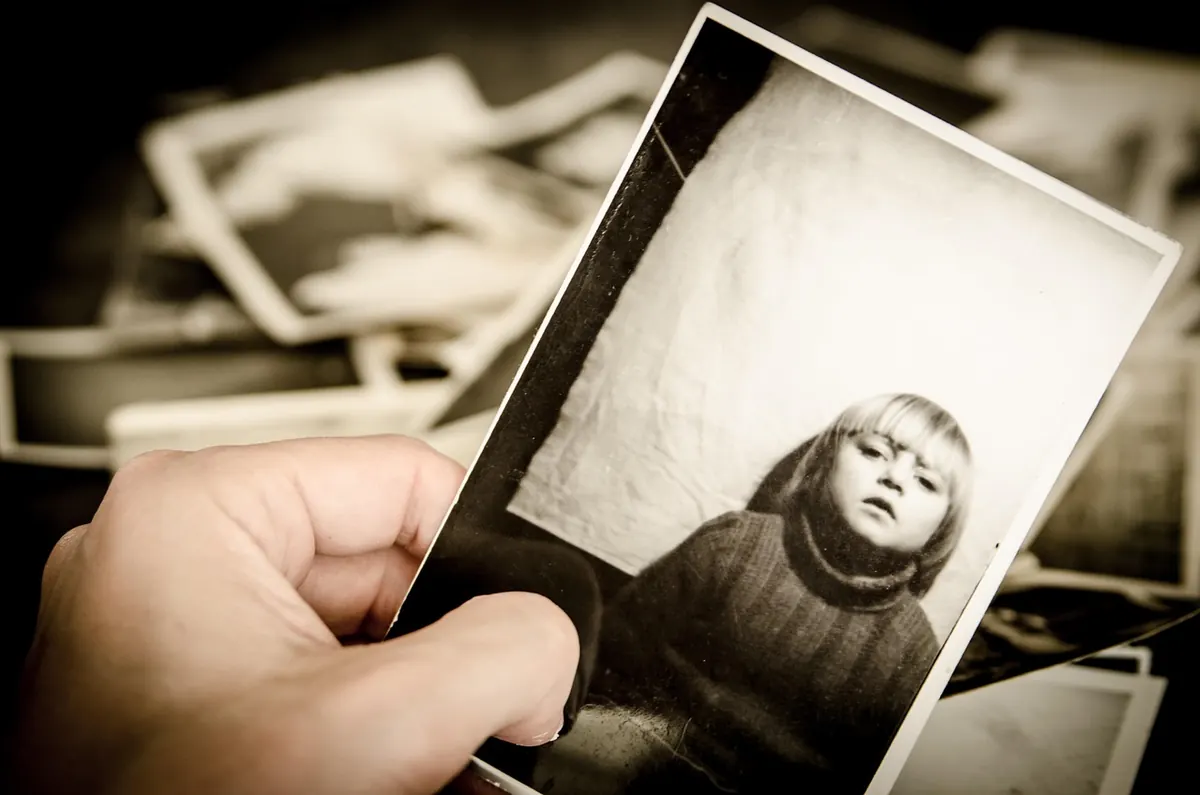
Ask someone about their childhood and you usually get the summary: where they were born, what their father did for a living, which school they hated. Ask again, differently, and you get the part worth keeping — the dog that followed them to the corner shop, the smell of the front room when a visitor was due, the afternoon the whole street stood outside because someone's chimney had come down.
That second version is the one that fades. Nobody decides to forget it; details simply need drawing out, and most people won't volunteer them. The checklist below is for anyone who has meant to sit down with a parent, grandparent or aunt and record what they remember, and hasn't quite got round to it.
What actually goes missing
Dates and names tend to survive. Birthdays get written on the back of photographs, and someone in every family keeps a rough idea of who married whom. The losses are subtler: why your grandmother left the town she grew up in, what your father was like at nineteen, which brother stopped speaking to which sister and what started it.
These are the details that make a family feel like a place rather than a diagram. They're also the ones nobody can reconstruct later. Once the only person who was there has gone, the story either becomes a guess or disappears.
So the aim isn't a formal history. It's a handful of recorded conversations, made while they're still easy to have.
Prepare in five minutes, not five weeks
- Pick one person and one subject. Not "everything about your life" — "what do you remember about your first job?"
- Ask first. Say what you'd like to do and why, and let them choose the time. Most people are more willing than their families expect.
- Bring something to look at. A photograph album, an old letter, a piece of jewellery will do more than any question you can think up on the spot.
- Check the recording. If you're using a phone, test it, put it where you can both hear it, and switch it to aeroplane mode so it doesn't ring halfway through.
- Keep it to around an hour. Less if they tire. You can always come back, and a second conversation is often better than the first.
If you plan to share the recording beyond the family, say so beforehand and get a clear yes. That's as much about trust as anything else, but it matters.
The 12 questions
Don't read these out one after another. Use them as a map, and let the conversation wander where it wants to go.
Home and childhood
- What did the house you grew up in smell like when you walked in?
- Who lived there, and where did everyone sleep?
- What did a normal Sunday look like, from morning to night?
- What was the first thing you were ever paid to do?
People and tensions
- Which relative did you feel closest to, and what did you do together?
- Who in the family was difficult, and how did everyone handle them?
- What did your parents never discuss in front of the children?
- What's a story your family tells about you that you remember differently?
Decisions and hindsight
- What did you believe about your life at twenty that turned out to be wrong?
- What was the hardest decision you made, and what did it cost you?
- What do you wish you had asked your own parents?
- What should the rest of us know that nobody thinks to ask?
How to ask without sounding like an interviewer
Interviewers push. Family members shouldn't. A few habits make the difference between a conversation and an interrogation.
Ask one question, then stop talking. Count to five in your head if you have to. Silence is where the second, better answer lives.
Follow the concrete rather than the general. "What was your mother like?" gets you "she was kind". "What did she do when you came home crying?" gets you a scene you can picture.
Don't correct anyone. If a date is wrong or a name is muddled, let it stand and check it later. Being corrected makes people careful, and careful people stop telling stories.
Revisit the same ground another day. Memories arrive in pieces, and the detail you actually want often turns up in the middle of a completely different story about someone else.
Write names down as they come, especially nicknames and the full names of people who might otherwise vanish into "your uncle".
Store it somewhere that survives
A recording that lives on one phone is one cracked screen away from nothing. Ten minutes on this part will outlast the phone itself.
- Name the files clearly: person, date, topic — Mary-1976-first-job rather than recording4.
- Keep two copies in different places: an external drive at home and a cloud folder, or a copy with a cousin.
- Transcribe the best ten minutes. A written paragraph gets read; a two-hour audio file often doesn't.
- Write a short summary with names, places and dates, and keep it alongside the file.
- Tell one other person where everything is. That's the step families most often skip.
Start with one question this week
You don't need a plan covering the whole family tree. Pick the person you'd miss hearing from most, and ask them one thing — what their mother cooked on a Friday, or what their street sounded like on a Saturday morning.
Record it if they're willing. If they'd rather not, write down what they said that evening while it's fresh. Then set a reminder for a fortnight's time and ask the next question.
That's the whole method: twelve questions, a phone, and the habit of going back.
Photo: jarmoluk / Pixabay