Paper Journal vs Digital Journal: A Beginner's Comparison for UK Writers
Most people who start journalling begin with the wrong question. They ask which method is better — paper or digital — when the question that really matters is which one they will still be opening in six months. A beautiful notebook that stays on the shelf is worth less than a plain text file you scribble in on the bus.
The two are not rivals. They do different jobs well, and plenty of people drift between them without ever calling it a system. What decides it, in practice, comes down to four things: cost, privacy, searchability and the physical experience of writing. Read on with your own habits in mind — where you write, when you write, and who might one day read it.
Cost: what you pay now, and what you keep paying
Paper has a low entry price and a steady drip of cost. A supermarket exercise book will do the job for very little; a hardback with a ribbon marker costs more. Pens run out, ink bottles spill, and every finished notebook is replaced by another. Over a decade that adds up, though rarely in a way you notice month to month.
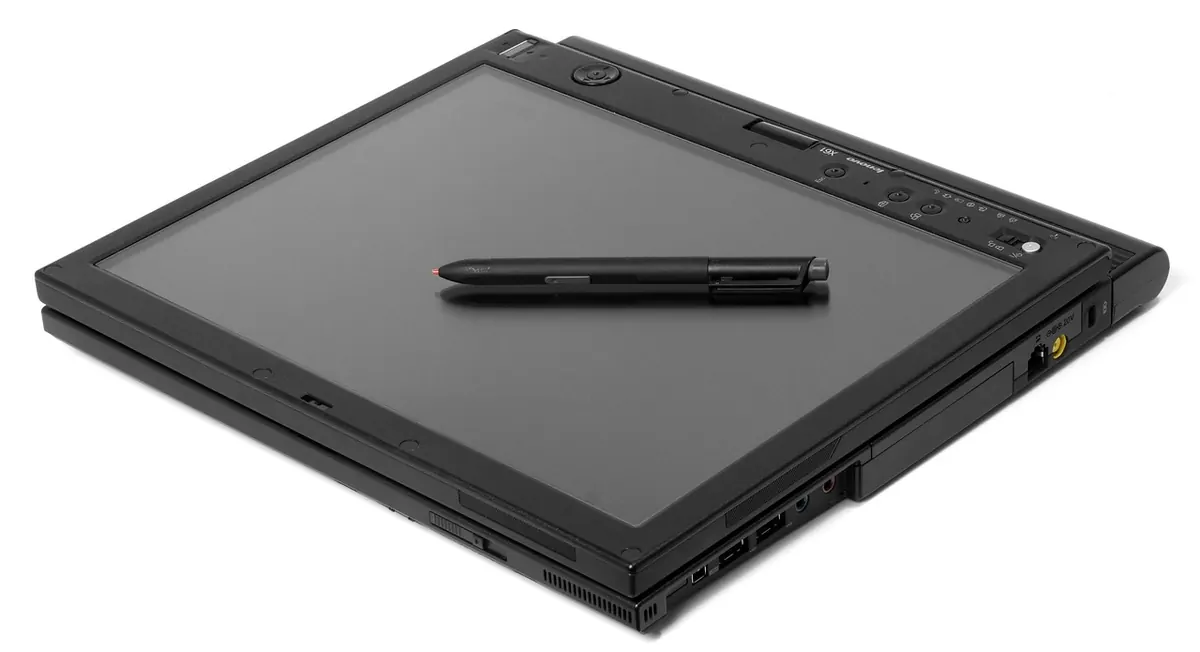
Digital flips that pattern. If you already own a phone, tablet or laptop, the software can cost nothing at all, and a paid app is usually an annual subscription rather than a one-off purchase. The hidden cost is the device itself — and the temptation to check three other things on it before you have written a sentence.
Worth weighing before you spend:
- How quickly you fill a notebook — a fast writer may get through six a year; a slow one, one.
- Whether you genuinely love nice stationery or honestly do not care.
- Whether a subscription earns its keep, or whether a free notes app or a plain text file is enough.
- Backup, if you plan to keep years of writing somewhere safe.
For most beginners, the cheapest sensible start is a basic notebook and a pen you enjoy using, or a free app you already have. Upgrade once you know the habit has stuck.
Privacy: who else can read your pages
Paper feels private because it is physical and dull. It is also easy to find. A notebook left in a bedside drawer can be read by a partner, a flatmate, a visiting relative or a curious child. If that matters, decide early where your journal lives: a locked box, a bag you take with you, or a shelf nobody else bothers with.
Digital privacy is a different shape. Your phone locks, but your notes may sync to a cloud account, appear on a shared family tablet, or sit in a backup you never think about. If you want a genuinely private digital journal, use an app with its own passcode, turn off syncing for that notebook, and keep backups on a drive only you can access. Check those settings once, properly, rather than assuming.
If you are writing about health, money worries or a legal matter, remember that a journal is a place to think, not a substitute for advice from a doctor, adviser or solicitor.
Searchability: finding what you wrote in April
This is where digital wins without much argument. Type "Whitby" or "the flat" into a search box and every related entry appears in a second. Tags, dates and folders make it easy to trace a decision from first doubt to final choice.
Paper needs help, but it is not hopeless. Date every entry at the top. Leave the first two pages blank for a contents list and add to it as you go: "p. 14 — leaving the job; p. 22 — Dad's birthday". Number the pages if the notebook does not. A slim index at the back, built as you write, turns a stack of notebooks into something you can actually use again.
The sensory side: why paper sometimes wins anyway
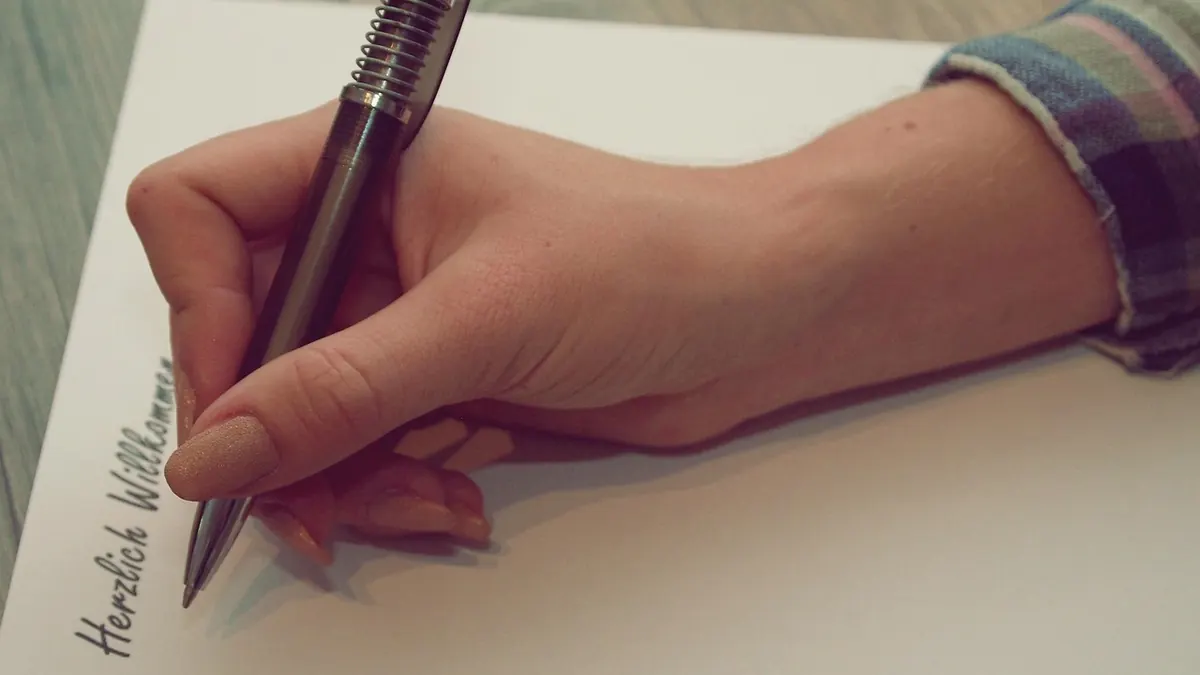
Handwriting is slow, and that is often the point. You cannot type at the speed of thought on paper, so sentences arrive half-formed and get shaped as they land. The smell of the paper, the small resistance of a nib, the sound of a page turning — these are not decoration. They give your attention somewhere to settle, which is useful at the end of a day spent staring at a screen.
Digital has its own pleasures, of course: speed, neatness, no cramp, and the ability to write in the dark without waking anyone. It also carries notifications. If you journal on a phone, put it in flight mode first. Two minutes of writing is easily lost to a message you did not need to read.
A hybrid that works for most people
You do not have to choose. A simple split, tried and adjusted, suits a lot of writers:
- Keep a small paper notebook for daily, messy entries: three lines about the day, a dream, a complaint, a good sentence you overheard.
- Keep a digital file for anything you will want later — decisions, plans, quotes, lists, dates.
- Once a week, read back over the notebook and type up only what is worth keeping.
- Date everything in both places, and note in the digital entry where the paper original lives.
- Leave the most personal writing on paper and never copy it across. Some things are better left in one place.
How to decide this week
Pick one method and commit to it for fourteen days. If you write in bed, on trains or in waiting rooms, a phone notes app will probably survive the test. If screens leave you flat, or you want to slow your thinking down, buy a cheap notebook and see how it feels to fill it. If you need to find things again, digital is the safer bet. If you want to feel the months accumulate, paper is hard to beat.
Start cheap. Do not spend a fortune on a leather-bound journal before you know whether you will write in it twice. Fill something ordinary first, and let the habit prove itself.
If it wobbles, change one thing rather than everything: a different pen, a different time of day, a shorter entry. The best journal is the one with fresh ink on it by Sunday night.
Photo: WikimediaImages / Pixabay