Memory Jar Journalling: A Simple New Year Ritual for Keeping Moments
Most journals begin in January with good intentions and quietly stop in March. A memory jar asks for far less. Find an empty jar, put it somewhere you'll see it every day, and drop in a small slip of paper whenever something is worth keeping. No paragraphs to catch up on, no guilt about the weeks you missed. By the end of the year you have twelve months in your own handwriting, one line at a time.
It costs nothing, takes about twenty seconds, and records things a phone camera never will.
Why a jar works when a journal doesn't
A journal asks you to sit down, find your voice and keep a thread going. That is a lot to ask on a Tuesday night when you are tired. A jar asks for one sentence. You scribble it, fold it, drop it in, and go back to your evening.
The reading is different too. A journal is written for the moment; a jar is written for later. When you tip it out at the end of December you are not reading a story you shaped — you are reading evidence. The things you had forgotten you noticed. The morning the boiler gave up and a neighbour appeared with a flask. The smell of the first frost.
Setting up your jar
Any jar with a wide neck will do: an old jam jar, a clip-top jar, a coffee jar with the label soaked off. Width matters, because you will be reaching in and tipping everything out all year.
- A clean, dry jar with a generous opening
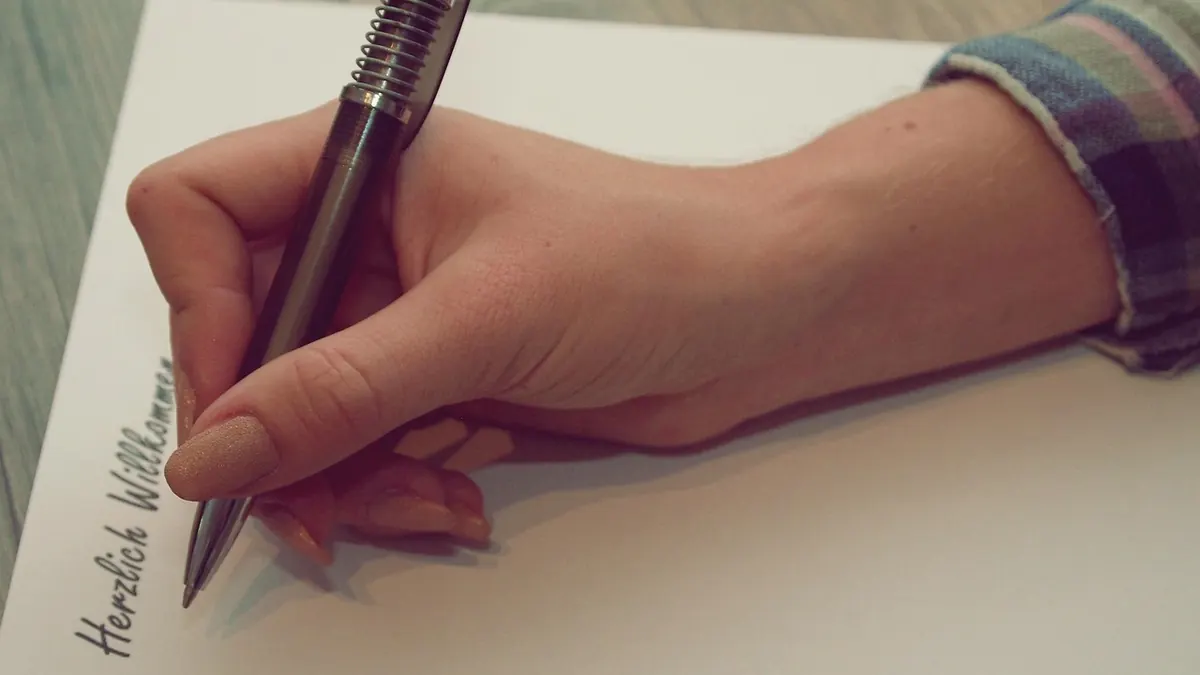
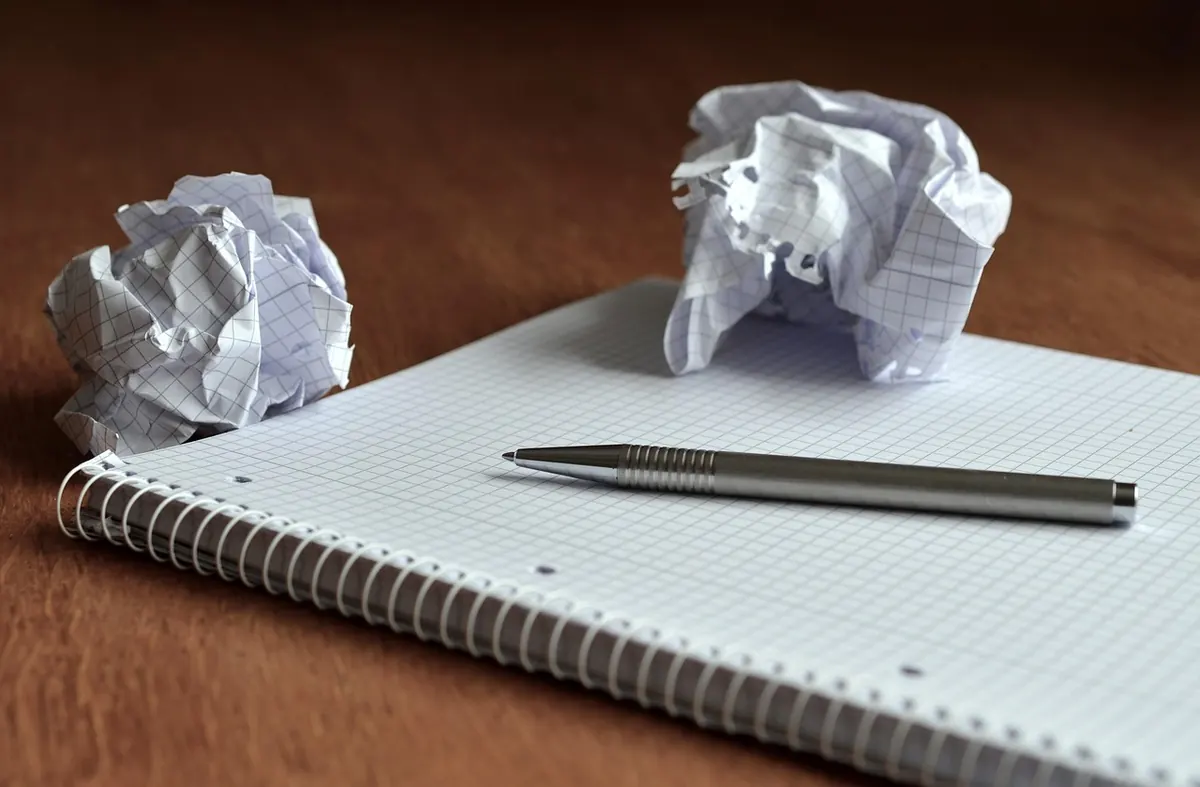
- A stack of small paper slips — cut a few sheets into strips and keep them beside the jar
- A pen that lives there, so nothing has to be hunted for
- A label for the year: a luggage tag tied round the neck, or the year written on the base
- A spot you already pass daily — the kitchen windowsill, the hall shelf, the desk where you charge your phone
You don't need to buy anything. If you want the jar to look nice, that's allowed, but the jar is not the point. Just make sure the year is on it. Future you will be grateful when the jar from three years ago turns up at the back of a cupboard.
What to write on a slip
One line. Concrete. Present tense, or as close as you can manage.
- "Rain all morning, so we ate lunch in the car and watched the harbour."
- "R picked a bunch of dandelions for me. Most of them were stalks."
- "First swim of the year. Cold enough to make me laugh out loud."
Two rules make the difference. Include a detail only you would know, and write as though the reader has forgotten everything. In five years, "a lovely day out" says nothing. "Chips on the sea wall, seagull stole one" says everything.
Prompts for when you're stuck
- The funniest thing that happened this week
- Something someone said that you want to keep
- A smell, sound or taste from today
- Something that went wrong and turned out fine
- A small thing you are glad is over
- Something you are looking forward to — write it now, read it later, see whether it happened
Keeping it going through the year
Tie the writing to something you already do: Sunday evening, the last five minutes of a walk, the moment the kettle goes on. Keep the jar on that route and the habit mostly looks after itself.
Two or three slips a week is plenty. A jar stuffed to the brim by March means you had a busy year, not a good one. Quiet weeks are allowed, and so are retrospective slips: "April was mostly work and rain. Noted, and moving on."
If you share a home, leave the jar on the table and let everyone add to it. Children's spelling becomes part of the charm, and their slips are often the ones you will be gladdest you kept.
Reading the year back
Set aside half an hour. New Year's Eve before anyone arrives, or New Year's Day with the second pot of tea. Tip the slips onto a table where you can spread them out, then work through a few questions:
- Which slip did you forget entirely?
- What appears more than once — a person, a place, a worry, a small pleasure? That repetition is the shape of your year.
- Which one do you want more of next year?
- What was hard? Name it plainly. A jar that holds only highlights is not much of a record.
- Who turns up most often? Consider telling them.
- What is missing? If someone or somewhere you care about never appears, that is worth noticing.
If you are doing this with someone else, read a few aloud. It slows you down and makes people laugh at the right moments.
After the reading
Bundle the slips with an elastic band, write the year on the top one, and keep them in an envelope or a box. Some people paste four or five favourites into a journal with a few lines about the year wrapped around them. Others keep a "best of" jar alongside the current one. Don't over-engineer it — the slips are already the archive.
Not every slip will be happy, and that is fine. If reading back brings up a loss or a difficult stretch that stays with you, talk to someone: a friend, your GP, or a bereavement service.
Start with one slip
The jar only needs a single slip to begin. Tonight, before bed, write one line about today — something you would have forgotten by Friday. Fold it, drop it in, put the lid back on. That is the entire ritual.
Next December you will tip it out and find an ordinary week staring back at you, and it will surprise you. Not because it was remarkable, but because you noticed.
Photo: congerdesign / Pixabay